
In The War Within, the notion of “artifact” or class signature progression returns—but with a significant rework. Rather than static gear upgrades or slow grind paths, this expansion introduces what we’ll call an **Artifact Legacy**: weapons, progression trees and account-wide systems designed for sustained growth, alt support, and cross-character value. If you remember the original artifact weapons, this is both familiar and fundamentally different.
This article will explore what the new Artifact Legacy system is, how it shifts long-term investment logic, how you should approach progression, and what this means for your character choices across the expansion.
What the Artifact Legacy System Looks Like
The system centers on signature weapons (and similar class-anchored items) that evolve significantly over time. According to preview material, upgrades are less about relics and more about cumulative currencies, shared traits and account benefit. :contentReference[oaicite:7]{index=7}
Key features:
- A shared talent tree for the weapon system rather than completely separate trees per spec. :contentReference[oaicite:8]{index=8}
- Currencies that upgrade the artifact for *all* your specs or characters, rather than only one.
- Long-term investment: abilities and traits unlocked now scale into future content and alts, not just current expansion.
The effect: your investments become part of your account’s foundation, not just your main character’s current gear cycle.
How Progression Works: Currencies, Upgrades & Scaling
Rather than relying purely on gear drops, the new system leverages more predictable resource accumulation and traits. For example, “Artifactium Sand” (or equivalent) is consumed to raise item level of the signature weapons—once for all specs rather than one at a time. :contentReference[oaicite:9]{index=9}
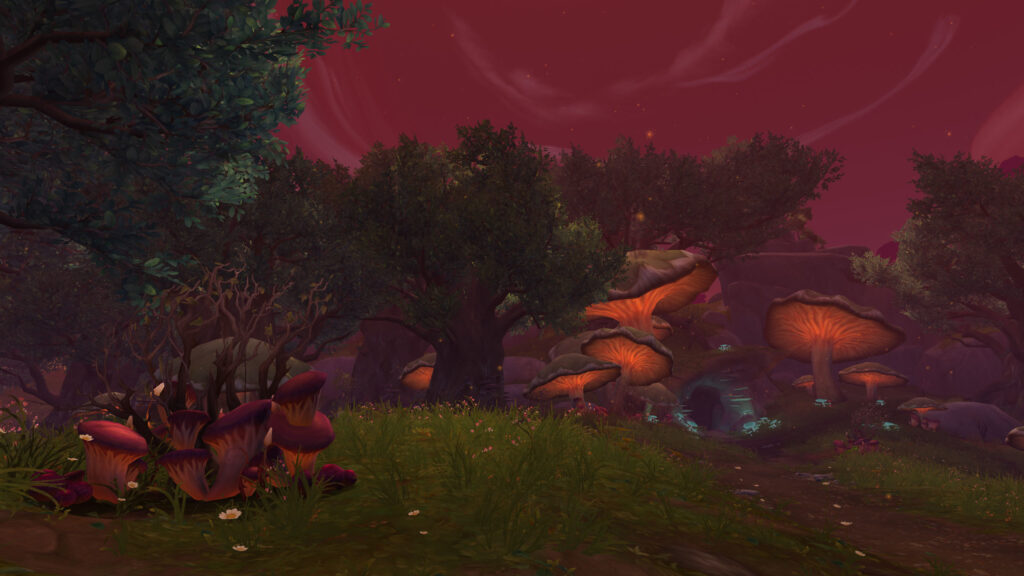
As you progress you unlock new paths, capstones, and “infinite traits” that keep scaling. Some upgrades are account-wide, so your alt characters benefit from your main’s investment. The logic shifts: instead of “gear cycle” you’re building a legacy asset. This matters because it changes how you allocate time: early investment yields long-term dividends, late catch-up may be harder.
Implications for Alts and Multi-Character Play
One of the biggest changes is how alts now matter. With the legacy system, you don’t need to grind each character from scratch for the same weapon upgrades. Your investment on one character transfers, meaning you can treat alts as alternative playstyles rather than separate grinds. This reduces fatigue and increases flexibility.
This also means your build choices matter: you might pick one spec on your main to unlock major weapon paths, then play alts with a different role or fantasy, all using that same upgraded foundation. The system encourages experimentation rather than locking you into one path per character lifecycle.
Strategy: How to Approach Your Progression Early vs Late
Here’s a strategic breakdown of how to approach this system:
- Early phase: Focus on unlocking the signature weapon, completing the introductory chain, and acquiring initial upgrade currency quickly.
- Mid-phase: Maximise resource accumulation (e.g., currency, tokens) and unlock major talent tree nodes and capstones.
- Late phase: Harvest the legacy—use your upgraded weapon across specs and alts, divert your time into other systems (cosmetics, mounts, achievements) rather than repeating weapon grind.
Importantly, don’t wait until late to start the weapon path—early progress compounds. Also, choose your spec path thoughtfully; while you can switch and respec, the fastest path gives you longest time to benefit.
Comparison Table: Old vs New Artifact Approach
Here’s a comparison of the major differences:
| Aspect | Original Artifact System | Artifact Legacy in The War Within |
|---|---|---|
| Progression per character | Each spec/character required separate relics/paths | Shared weapon upgrades across specs and characters |
| Currency type | Relics, individual drops, spec-locked | Predictable consumables, account-wide upgrade systems |
| End-game value | Completing tree gave a fixed point | Infinite traits/legacy scaling continue beyond core unlocks |
| Alt value | Alt often required repeat grind | Alts benefit automatically from main’s investment |
Long-Term Outlook and What It Means for Your Time Because the system is designed for longevity, your early choices ripple into future content. Time invested now means less catch-up later. The legacy model reduces “restart fatigue” and makes the idea of multiple characters more viable. It aligns with modern MMO design where account advancement matters as much as character advancement. However, it also means you should plan: don’t treat it like a short event grind. View it as part of your account’s enduring structure. If you ignore the weapon path early, you risk falling behind later when upgrade costs or resource scarcity may increase. Conversely, those who invest early and strategically will reap the benefits across alts, expansions and seasons.
Conclusion
The Artifact Legacy in The War Within transforms how you think about long-term progression: from per-character grind to account-wide investment, from gear cycle to legacy asset, from single build to versatile specs. It’s a system built for modern play, alt-friendly, and deeply strategic.
Start early, invest smartly, spread your upgrades across specs and characters—and your legacy will pay dividends well beyond the immediate expansion. The weapon you wield isn’t just for now—it becomes your symbol, your legacy, your advantage.