
Raiding has always been the crown jewel of World of Warcraft’s endgame—a test of coordination, endurance, and community. But what raiding means, and how players approach it, has evolved dramatically since the early days of Molten Core. From the chaotic 40-man groups of Vanilla to the precision Mythic rosters of The War Within, the culture of raiding reflects not just design changes, but the evolution of how players connect, compete, and celebrate together.
This article explores how raiding culture transformed over 20 years—from clunky beginnings to esports-level coordination—while still preserving the heart of shared triumph.
The Wild West of Vanilla Raiding
In Vanilla WoW, raiding was as much about organization as it was about skill. Forty players gathered with mismatched gear, experimental specs, and zero official guidance. Encounters like Ragnaros and Nefarian tested patience as much as power. Guilds were families forged through chaos—success demanded spreadsheets, attendance logs, and trust. There were no difficulty modes, no catch-up systems—only dedication and time.
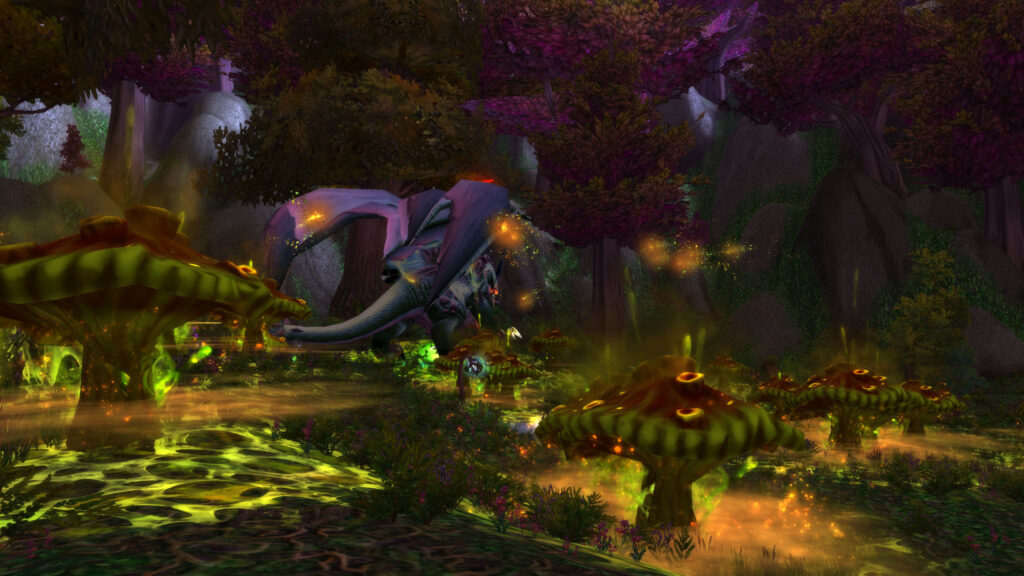
Raiding then wasn’t about perfection; it was about persistence.
The Age of Refinement: Burning Crusade and Wrath
With The Burning Crusade, Blizzard found structure. The shift to 25-man raids and the introduction of attunements refined raiding into a more skill-based activity. Wrath of the Lich King then layered in accessibility with Normal and Heroic modes, giving both casual and hardcore players a seat at the same table. The cultural divide between “raiders” and “casuals” narrowed, and the Race to World First began to emerge as a public spectacle.
Raiding matured—organization gave way to optimization.
The Rise of Accessibility and Competition
Expansions like Cataclysm and Mists of Pandaria balanced inclusivity with challenge. Tools like the Dungeon Finder and later the Raid Finder opened the gates to millions of players. At the same time, heroic raiding guilds pushed the boundaries of execution, treating each boss as a puzzle to be solved at record speed. This duality—mass participation and elite mastery—shaped modern raid culture as both a community event and a competitive sport.
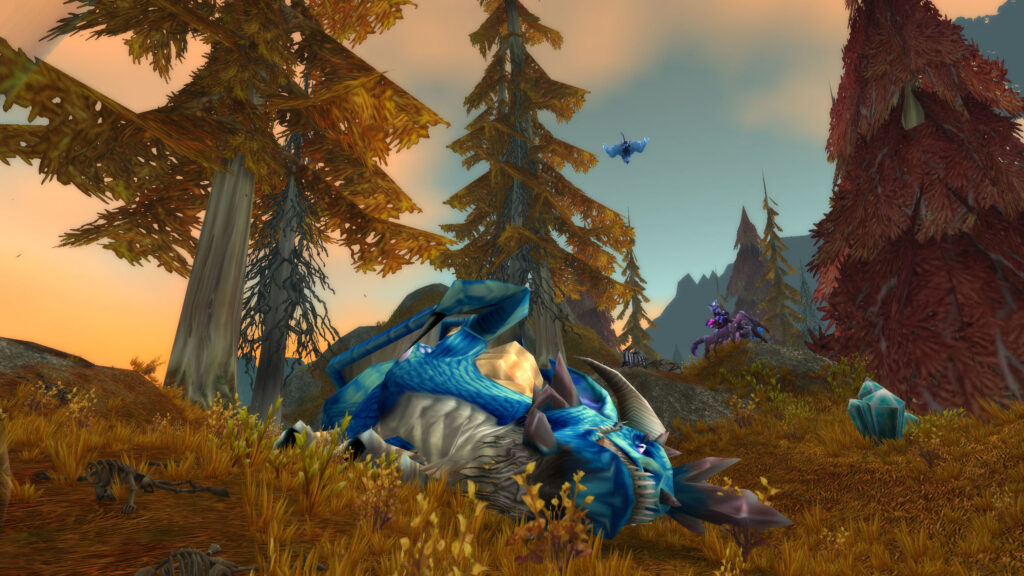
For the first time, everyone could raid—but few could truly conquer.
| Era | Raid Structure | Defining Feature | Cultural Impact |
|---|---|---|---|
| Vanilla | 40-man static raids | Mass coordination | Birth of guild identity |
| The Burning Crusade | 25-man organized groups | Attunement and discipline | Shift toward structure |
| Wrath of the Lich King | Normal & Heroic modes | Accessibility & balance | Global raid awareness |
| Legion | Mythic difficulty & streaming | Esports-like execution | Birth of raid spectacle |
| The War Within | Cross-faction Mythic raids | Inclusivity & precision | Community unity reborn |
The Streaming Revolution
By Legion, raiding culture had gone public. The Race to World First transformed guilds into global brands. Players became celebrities, strategies were dissected in real-time, and raids became entertainment. Viewers tuned in for triumphs and heartbreaks alike, turning once-private achievements into shared cultural moments. Raiding evolved beyond gameplay—it became performance art.
The community didn’t just play together—they watched together.
The War Within and the Modern Philosophy of Raiding
In The War Within, raiding is more structured, inclusive, and polished than ever before. Cross-faction play, advanced UI tools, and refined mechanics emphasize teamwork without gatekeeping. Blizzard’s focus has shifted from punishing mistakes to rewarding mastery. Today’s raids balance spectacle with accessibility, ensuring that both competitive guilds and casual groups find meaning in the same content.
Modern raiding isn’t just about killing bosses—it’s about shared progression.
The Heart That Never Changed
Despite the evolution, one truth remains: raiding is about people. Whether you’re chasing a world first or a weekly clear, it’s the teamwork, jokes, and shared triumphs that define the experience. Technology may have streamlined it, but emotion keeps it alive. After twenty years, raiding still captures the essence of what made WoW special—a world conquered not alone, but together.
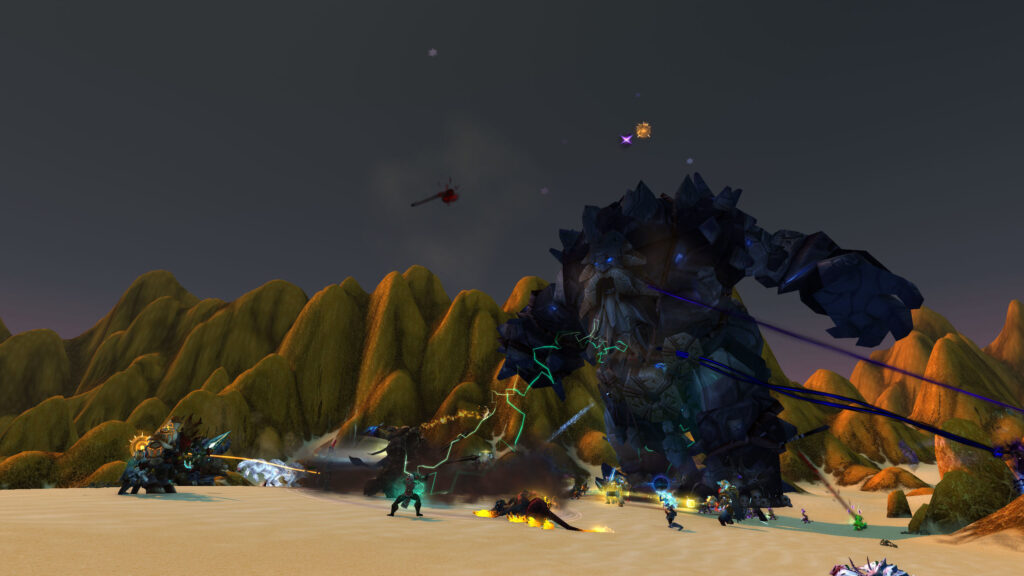
Mechanics evolve; camaraderie doesn’t.
Conclusion
Raiding culture has transformed from clunky experiments to choreographed precision, from private guild nights to global broadcasts. Yet, its purpose never changed: to unite players through challenge. As The War Within ushers in a new generation of raiders, the legacy of teamwork, discipline, and shared triumph continues to define WoW’s beating heart. The faces change, the bosses evolve, but the thrill of victory remains eternal.
Because no matter the era, raiding isn’t just content—it’s community immortalized in combat.