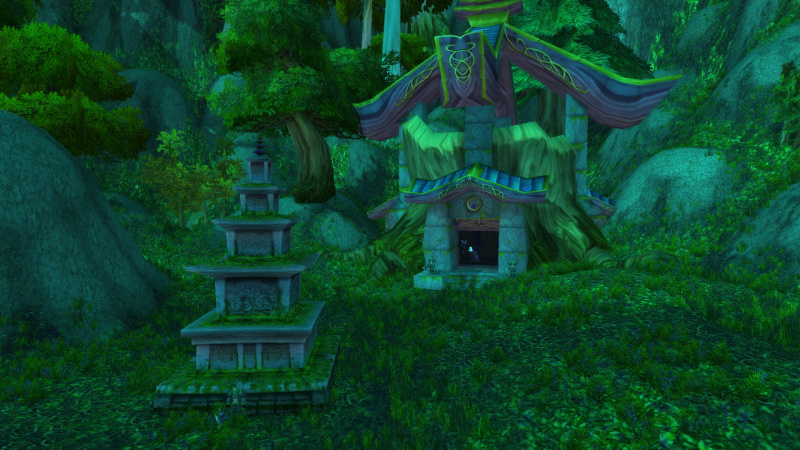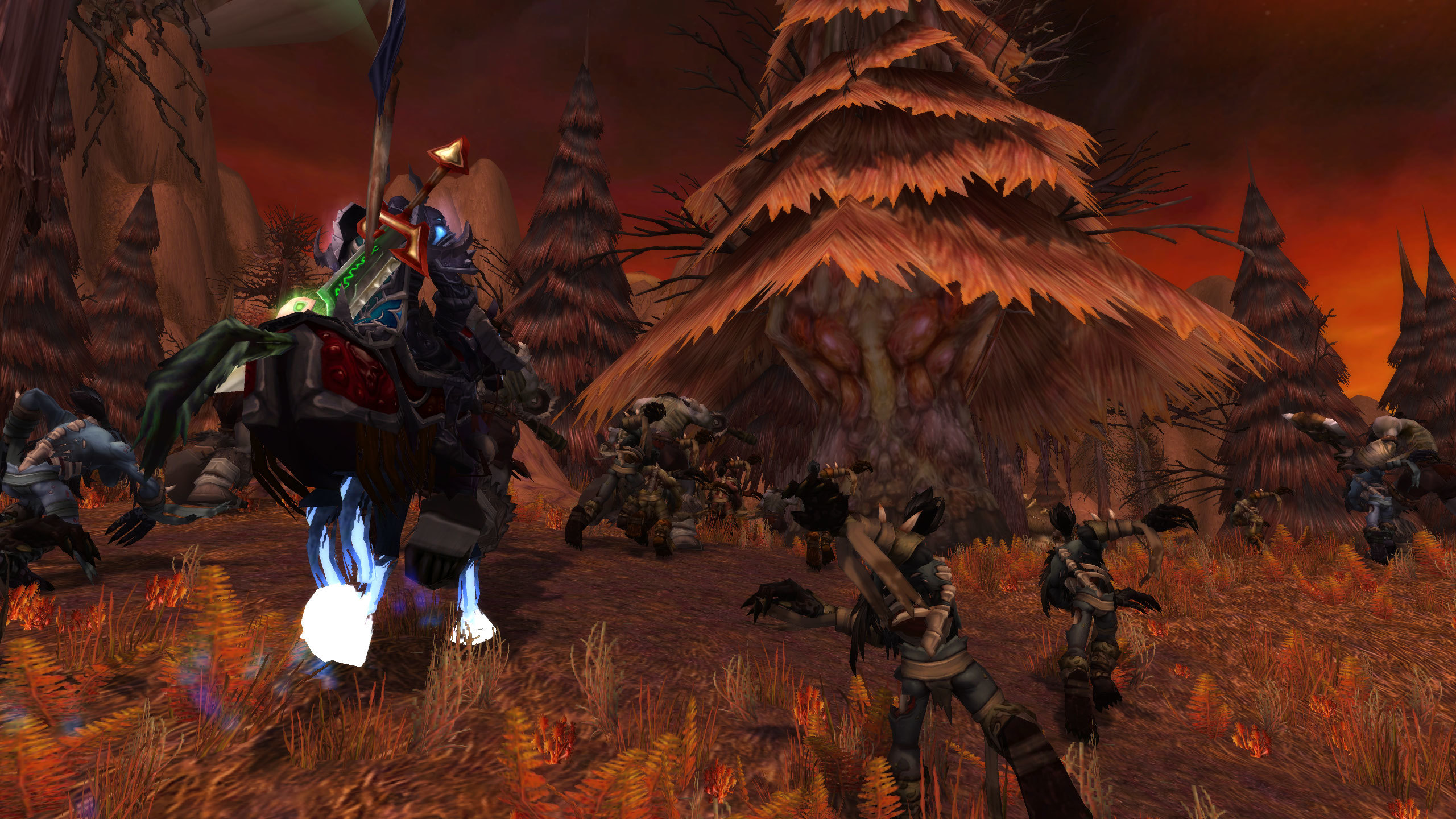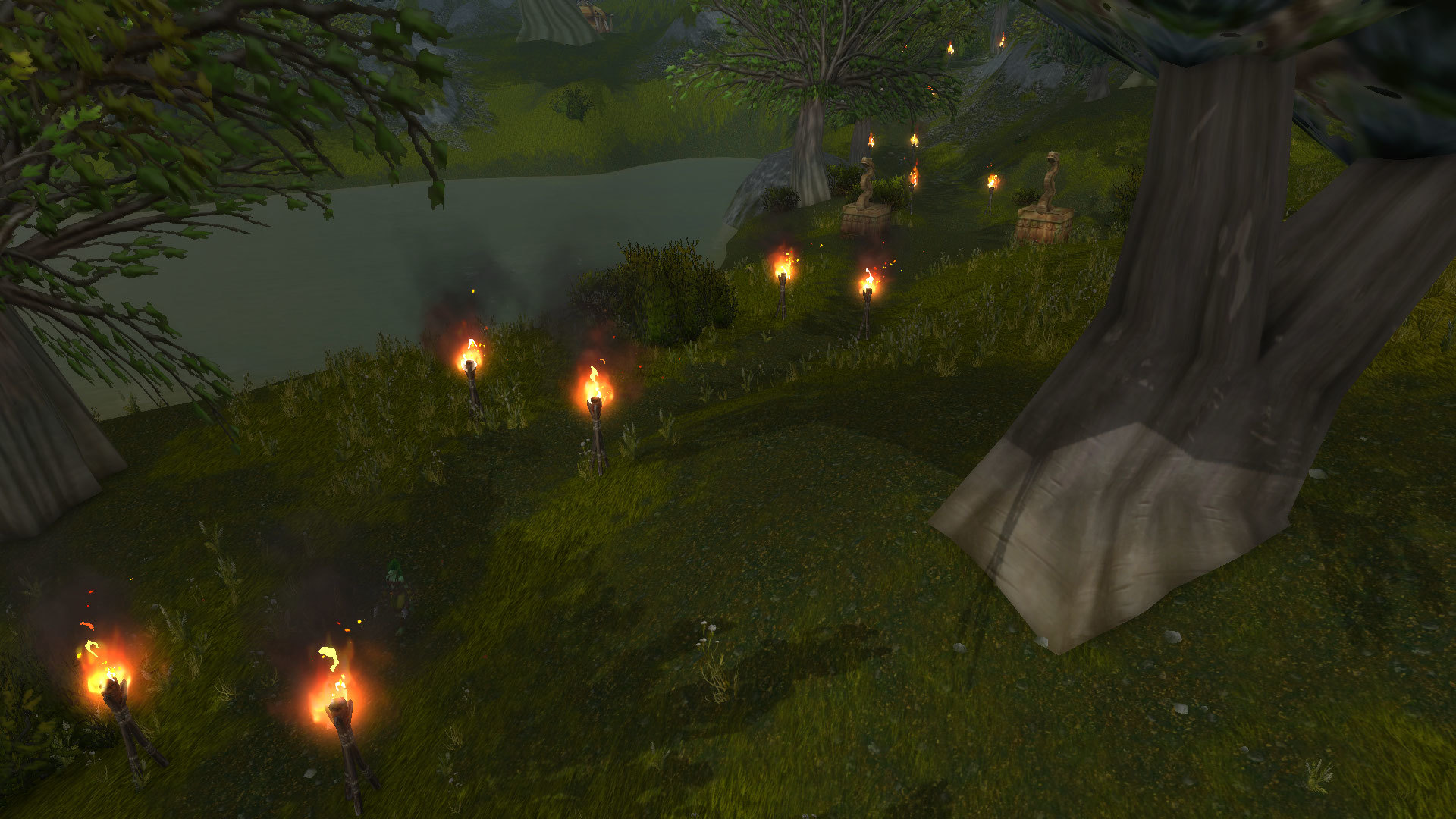

World of Warcraft (WoW) has undergone a significant evolution in its narrative delivery since its inception in 2004. Initially, the game relied heavily on environmental storytelling and text-based lore to immerse players in its vast universe. However, as the game expanded through multiple expansions, Blizzard Entertainment recognized the need to enhance player engagement through cinematic storytelling. This shift not only transformed how players perceive the narrative but also how they interact with the game world, creating a more dynamic and emotionally resonant experience.
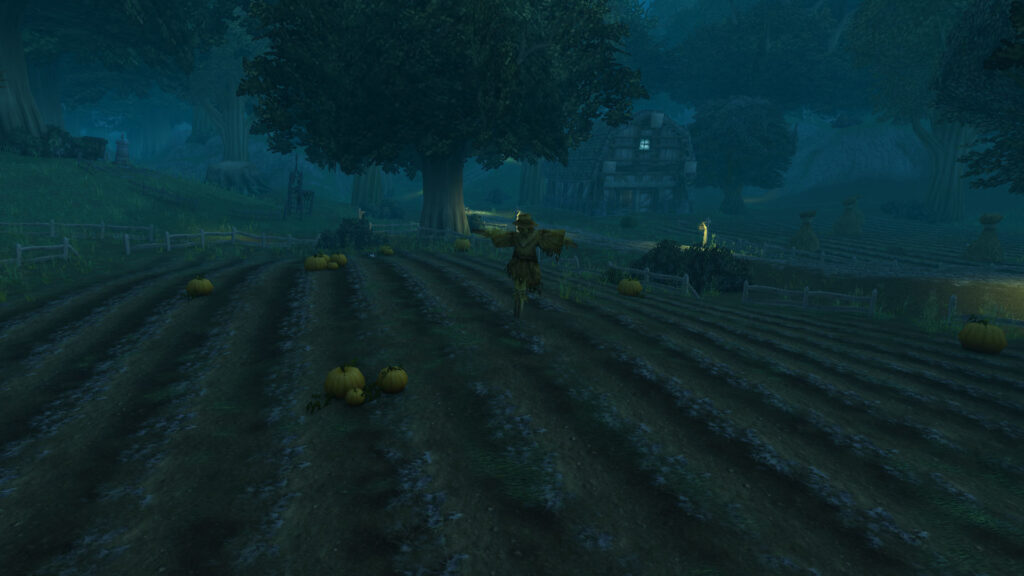
The Early Years: Silent Worldbuilding
In the early years of WoW, the game’s story was conveyed primarily through quest text and in-game books, with players piecing together lore from various factions and characters. This method of storytelling, while rich in detail, often left players feeling disconnected from the overarching narrative. Players would grind through quests, mostly focused on leveling up and acquiring gear, with little cinematic context to enhance the experience. The lore was deep, rooted in the history established by the RTS titles, but it lacked the emotional impact that more direct storytelling methods could provide. Instead, players relied on community discussions and external resources to fully grasp the intricate storylines.
The Cinematic Evolution Begins
The introduction of the first cinematic trailer for an expansion, “The Burning Crusade,” marked a pivotal moment in WoW’s narrative approach. Blizzard’s commitment to high-quality animation and voice acting captivated audiences and set a precedent for future expansions. Following this, each subsequent expansion, including “Wrath of the Lich King” and “Cataclysm,” featured cinematic trailers that not only showcased the stunning visuals of the game but also presented key narrative elements and character motivations. This shift helped players form emotional connections with pivotal characters, such as Arthas Menethil and Deathwing, creating a sense of anticipation and investment in the story.
Integrating Storytelling into Gameplay
As WoW progressed, Blizzard began integrating cinematic storytelling directly into gameplay, enhancing the player experience. Features like “quest cinematics” and “in-game cutscenes” allowed players to witness critical plot developments in real-time, rather than through static text. This integration helped to create a more immersive experience, where players felt like they were part of the unfolding story. Key battles, such as the confrontation with Garrosh Hellscream in “Mists of Pandaria,” were depicted through dramatic cinematics, allowing players to experience the narrative climax firsthand. This method not only provided context but also heightened the emotional stakes of various encounters.
A Table of Key Cinematic Moments in WoW
To illustrate the importance of cinematic storytelling in WoW, the following table outlines some of the most pivotal cinematics across various expansions, highlighting their impact on the game’s narrative.
| Expansion | Cinematic Title | Key Narrative Impact |
|---|---|---|
| The Burning Crusade | Opening Cinematic | Introduced Outland and the Burning Legion. |
| Wrath of the Lich King | Arthas Rises | Established Arthas as a central antagonist. |
| Cataclysm | Deathwing’s Return | Set the stage for world-altering events. |
| Legion | The Burning Legion Returns | Reintroduced iconic characters such as Illidan. |
| Shadowlands | Journey to the Shadowlands | Explored the afterlife and its implications on mortal realms. |
The Future of Storytelling in WoW
As WoW continues to evolve, the shift towards cinematic storytelling is likely to deepen. With advancements in technology and narrative techniques, players can expect even more immersive experiences that blur the lines between gameplay and storytelling. The introduction of new gameplay features, such as “Covenants” in Shadowlands, shows Blizzard’s commitment to weaving narrative into player choices and outcomes. Furthermore, the anticipated developments in upcoming expansions suggest a future where storytelling will remain at the forefront, allowing players to shape their own narratives while engaging with the rich lore of Azeroth.
Conclusion: The Impact of the Shift
The transition from silent worldbuilding to cinematic storytelling in World of Warcraft has profoundly impacted the player experience. By enhancing the narrative through visually stunning cinematics and integrating story elements into gameplay, Blizzard has created a more engaging and emotionally resonant experience. Players are no longer mere observers of the lore but active participants in a living, breathing story. This evolution reflects not only the growth of WoW as a game but also the changing expectations of its community, setting a new standard for narrative in MMORPGs.