
Raid group composition is no longer a fixed template carried from boss to boss. Modern encounters place unique demands on control, mobility, survivability, and utility, forcing groups to adapt their roster based on what each fight actually requires.
Success increasingly depends on flexibility rather than rigid adherence to a single optimal setup.
The Decline of One-Size-Fits-All Compositions
Earlier raid tiers often allowed a single composition to function adequately across most encounters. Minor inefficiencies could be compensated through gear or repetition.
Current designs punish mismatch more severely, making composition a strategic choice rather than a convenience.
Encounters That Demand Specific Tools
Boss mechanics now emphasize different strengths. Some fights reward burst mobility, others sustained control or defensive layering.
Ignoring these requirements places unnecessary strain on execution.
Common Composition Adjustments by Encounter Type
Groups tailor rosters to solve specific problems.
- Adding mobility-heavy specs for movement-intensive fights
- Increasing defensive utility for sustained damage encounters
- Adjusting healer profiles for burst versus attrition damage
- Including control-heavy specs for add management
Each change targets a concrete mechanical demand.
Leadership and Roster Flexibility
Encounter-specific composition places responsibility on leadership. Clear communication about swaps prevents frustration and confusion.
Flexible rosters become a progression advantage rather than a luxury.
Player Mastery Across Multiple Roles
Players who can perform across specs or roles gain value. Adaptability reduces downtime and increases strategic options.
This versatility strengthens the entire raid.
Conclusion
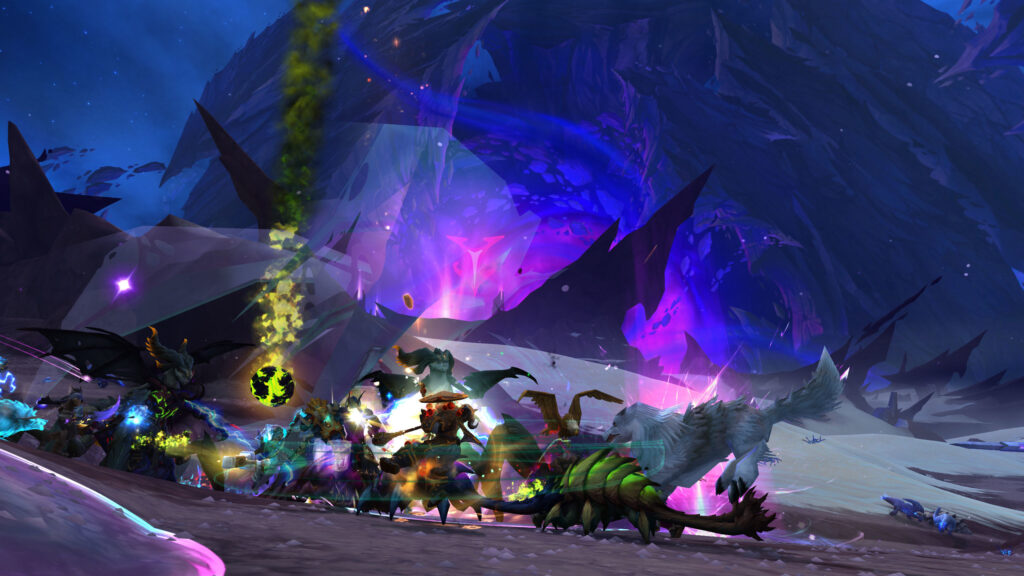
Raid group composition now adjusts to encounter-specific demands. By aligning roster choices with mechanical requirements, groups improve consistency, reduce execution strain, and progress more efficiently through modern raid tiers.